Fika

Ahead of our Sweet Bread Making workshop on 12th October, our baking tutor, Jackie talks about why we should all take more time to bake and share with others.
Fika is a Swedish concept that, roughly translated, means taking time to have coffee and cake with friends, family or colleagues. It’s a big part of life in Sweden (and other Scandinavian countries) where people stop once or twice a day to socialise and spend time with others over a drink and a little something to eat – often the famous cinnamon buns. Most offices and workplaces encourage this as it creates a positive and productive environment. Swedes consider it important to make time to stop and socialise: to take a pause. It refreshes the brain, supports well-being and strengthens relationships
Scandinavian countries often come out top of surveys about being the happiest places in the world – so can this be part of their secret?
The British tradition of taking afternoon tea is something that used to be common – however it now tends to be a special event or a treat. In our busy lifestyles of work, family and rushing around, it can be beneficial to our well-being to take time to sit and relax with friends and colleagues over coffee and cakes, to socialise and connect.
If you fancy fika-ing like the Swedes, why not come along to our Beginners Sweet Bread Making workshop on Saturday 12th October. We’ll be learning how to make the famous Scandinavian style cinnamon buns and also a brioche loaf (excellent for fika or breakfast).


 Halloween is fast becoming the third biggest annual holiday in the UK, behind Christmas and Easter, with families embracing the spookiest time of the year. The rise in sales of pumpkins continues to grow, and unfortunately so does the rise in the number of pumpkins that are getting wasted!


 A few words from our Chief Executive Suzy Goodsir
 Richard became Director of Friends of the Earth Scotland in early 2013 and has been very involved in the campaigns against fracking and for strong action on Climate Change. He helped set up Transform Scotland and Stop Climate Chaos Scotland, and serves on the boards of Postcode Culture Trust and SEPA, and is a former Chair of the Edinburgh Community Solar Co-operative.
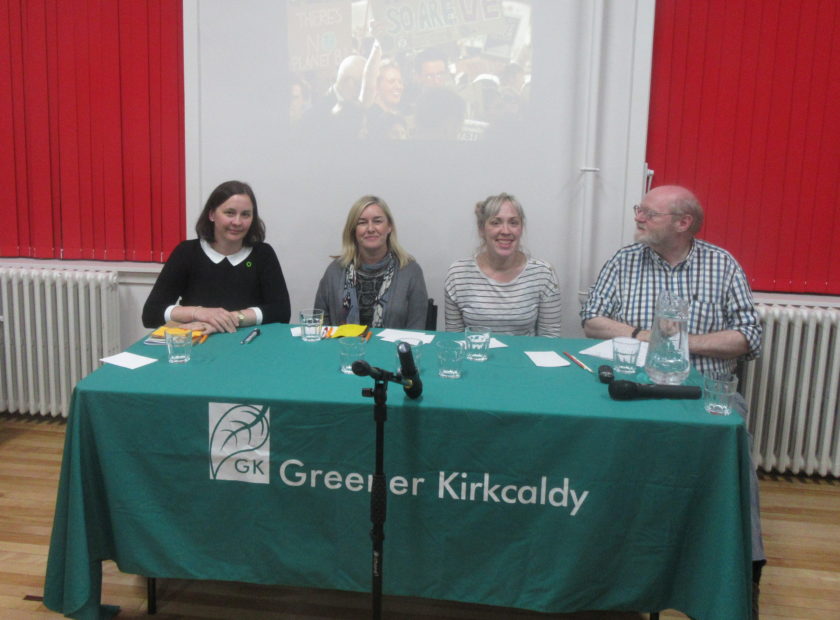
 Discussion turned to the merits of plastic versus paper – paper is not always the most environmental option. Substitutes can create more carbon, but can protect marine pollution. The global supply of food is complex in terms of food miles and providing livelihoods – we need to transition and consider people’s abilities to make a living too. Do we need to just stop buying and accumulating more stuff?