Promoting safer cycling in Fife
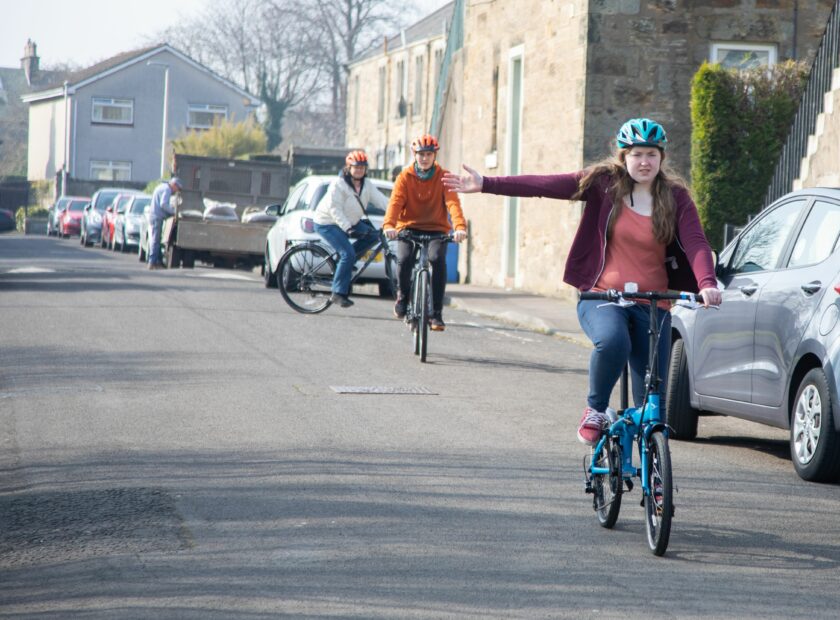
Senior Development Worker (Cycling Outreach) Peter Wooding attended the Road Safety Roadshow 2025 at Heriot-Watt University in November as part of our commitment to climate friendly travel. It was an insightful evening and in this blog, he shares some key insights from the day.
The event brought together leading experts in transport planning, policing, cycling advocacy, and road law. They discussed practical, evidence-based approaches to improving cycling safety across Scotland.
Speakers included:
· Simon Bradshaw, Cycling Scotland
· Roz Galloway, Cycle Law Scotland
· Eric Hill, SWECO UK
· Scott Runciman, Cycling UK (Scotland)
· PC Stewart Sinclair, Police Scotland Road Policing
· Malcolm Hall, Glasgow City Council
These speakers shared how we can support safer cycling through partnership, data analysis, legal clarity, engineering solutions, and behaviour change. These are all an important part of Scotland’s wider work to reduce emissions and increase active travel and directly support our own work here in Fife.
Why Road Safety Matters for Cycling in Fife
Fife has seen a steady growth in cycling participation as more people choose low-carbon transport. But safety concerns remain a significant barrier, especially for new or returning cyclists. The roadshow reinforced that improving cycling safety is about more than infrastructure. It has to involve law, enforcement, sound design, training, and a cultural shift toward shared responsibility on our roads.
For us, the insights from this event will help us in our efforts to promote safe, accessible, everyday cycling for people of all ages and abilities.
Safety Trends: Evidence That Cycling Is Becoming Safer
One of the key messages from Cycling Scotland was that road safety for cyclists in Scotland is improving. Simon Bradshaw shared:
-
Long-term reductions in cyclist casualties
-
Improvements aligned with Scotland’s Road Safety Framework to 2030
-
Strong links between safer roads, climate action, and increased active travel
He shared figures from Transport Scotland’s Reported Road Casualties Scotland 2024 report. Helping to identify trends provides a foundation for targeted interventions. This includes better junction design, improved driver behaviour, and enhanced cyclist training.
What the Collision Data Tells Us
Several presentations focused on analysing recent collision statistics. This is essential for designing safer roads and improving training. Key findings included:
1. Most serious collisions involve another vehicle
Transport Scotland data highlights that 81% of injury collisions involving cyclists also involved another vehicle. This shows the importance of driver awareness, enforcement, and better road design.
2. Junctions are the highest-risk locations
A significant proportion of collisions occur at junctions, often due to:
-
Drivers failing to look properly
-
Obstruction of cyclists or cyclists positioned in blind spots
-
Poor manoeuvring or overshooting junctions
These insights are vital for both road engineers and people cycling.
3. Time and location matter
Collision likelihood increases:
-
During morning and evening commuting times
-
In urban areas with complex traffic patterns
Understanding these patterns will help us deliver targeted campaigning and education in Fife.
4. Behavioural factors remain a major cause
The top contributory factors for serious cyclist casualties include:
-
Failing to look properly
-
Aggressive or dangerous driving
-
Close passing
-
Speed-related factors
These highlight the need for continued awareness campaigns like Operation Close Pass and Give Cycle Space.
Engineering and Infrastructure: Designing Safer Streets
Transport planners from SWECO UK and Glasgow City Council shared practical examples of how good street design can significantly improve safety for people cycling. These include:
-
Protected cycle lanes
-
Better junction treatments
-
Reduced traffic speeds
-
Improved signage and road markings
Local authorities like Fife Council have a statutory responsibility to promote road safety. They should use collision data to inform infrastructure changes. We can then use this data to support our ongoing engagement with local partners, seeking investment in safer cycling routes.
Enforcement and Legal Support
Police Scotland emphasised the importance of enforcement in keeping cyclists safe. Operations such as Close Pass target drivers who fail to give enough space when overtaking people on bikes. This is one of the major causes of cyclist discomfort and collisions.
Cycle Law Scotland spoke about the rights of cyclists, the responsibilities of all road users, and the handling of collision cases. They shared the message that a clear understanding of the law helps cyclists assert their rights. Consistent enforcement helps create a culture of safer road-sharing.
Training and Education: Building Skills and Confidence
Cycling Scotland reinforced the value of universal high-quality training:
-
Bikeability Scotland training for young people
-
Road User Awareness Training for adults
-
Confidence-building sessions that help cyclists understand road positioning, observation techniques, and hazard awareness
Training plays a significant role in reducing common collision factors. For example:
-
Improved observation reduces the most common cause: failing to look properly
-
Better positioning increases visibility for drivers
-
Awareness of junction design helps cyclists make safer decisions
These insights align with our own cycling programmes. We plan to incorporate them into our future training and events.
A Collaborative Approach to Safer Cycling in Fife
The Road Safety Roadshow highlighted that improving safety requires collaboration across many sectors:
-
Engineers design safer roads
-
Police enforce safe behaviour
-
Advocacy groups push for better policy
-
Legal experts ensure the protection of rights
-
Cycling organisations deliver essential education
-
Local Authorities help fund and install infrastructure
-
Communities, including groups like Greener Kirkcaldy, promote everyday safe cycling
We left encouraged by the expertise, commitment, and data-driven thinking applied nationally. These insights will help support our work in Fife as we continue promoting safe, climate friendly travel.
What’s Next?
Over the coming months, Greener Kirkcaldy are:
-
Expanding our cycle training opportunities
-
Continuing to promote safe routes and responsible cycling
-
Engaging with local partners to advocate for infrastructure improvements
-
Sharing safety messages with our members and the wider community
-
Supporting Fife residents to choose cycling as an everyday, climate-friendly option
We are also continuing to highlight national campaigns and initiatives – promoting safer interactions between cyclists and drivers. Follow the #EverydayCyclingFife campaign through Climate Action Fife this winter. We will be sharing tips and advice on safe cycling and how to support it.
Conclusion
Attending the Road Safety Roadshow reaffirmed the importance of safe spaces for everyday cycling. Not only for personal wellbeing but also for Scotland’s climate goals. Using data, training, engineering, enforcement, and community engagement, we can make Fife’s roads safer for everyone.
We will work to strengthen our cycling programmes, continuing to support local people to travel more sustainably.
Peter Wooding
Senior Development Worker (Cycling Outreach)
|